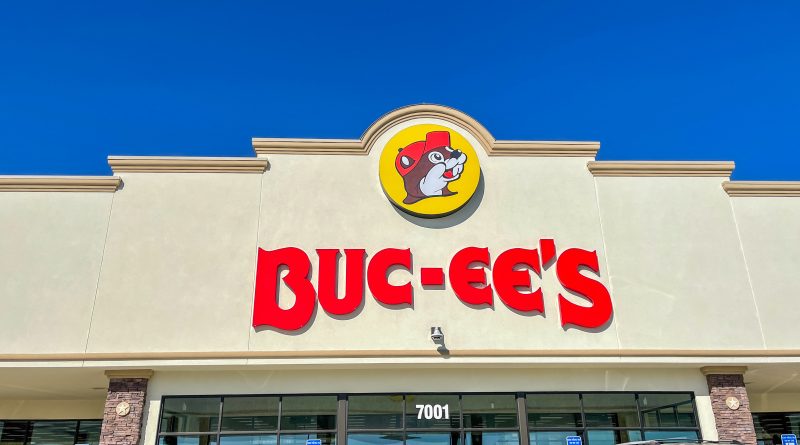
How Buc-ee’s is turning a Texas cult brand into a national powerhouse
Subscribe to our free newsletter today to keep up to date with the latest business news.
For decades, Buc-ee’s was largely a Texas phenomenon. Known for its oversized travel centers, clean restrooms, extensive food offerings and loyal customer base, the company built a reputation that stretched well beyond the state where it began.
In 2026, that reputation is being transformed into a national expansion strategy.
The latest milestone arrived with the opening of Buc-ee’s first Arizona location in Goodyear, marking the company’s westernmost expansion to date. The launch follows the opening of its first Ohio location earlier this year and signals a new phase of growth as Buc-ee’s targets markets far from its traditional base.
What began as a regional convenience store chain has become one of the most closely watched growth stories in American retail. As new locations continue to appear across the country, the company’s expansion offers insight into changing expectations around travel, convenience and destination retail.
Buc-ee’s is moving far beyond its traditional footprint
The opening of the Goodyear, Arizona, location represents more than another store launch. Arizona has long been viewed as an attractive market because of its growing population, strong tourism sector and position along major transportation routes across the Southwest.
The store follows a familiar Buc-ee’s formula. Large-scale facilities, extensive fueling infrastructure and a retail experience designed to encourage visitors to spend time browsing rather than simply refueling.
That approach has helped the company stand apart from traditional gas station operators.
Ohio joined the Buc-ee’s network in 2026 with the opening of the company’s first location in Huber Heights. The move demonstrated that the brand’s appeal extends beyond the southern states where it first established its reputation.
Expansion into new territories is not without risk. Consumer behavior varies by region, competitive pressures differ and development projects require significant investment. Even so, the company’s commitment to large-format stores suggests confidence that its model can succeed across a broad range of markets.
A wider geographic footprint also reduces dependence on any single region. As population patterns and economic conditions evolve, national coverage creates opportunities to reach new customers while strengthening long-term resilience.
The business model behind Buc-ee’s rapid growth
Buc-ee’s expansion is not built on fuel sales alone. The company has developed a model that combines convenience retail, food service and destination shopping within a single location.
Many stores feature more than 100 fuel pumps and retail spaces that are significantly larger than traditional convenience stores. Customers can purchase barbecue, sandwiches, snacks, apparel, gifts and home goods during one visit.
The strategy reflects a wider shift in retail. Consumers increasingly value destinations that satisfy multiple needs at once. Rather than competing solely on fuel prices, Buc-ee’s competes on convenience, product variety and customer experience.
The scale of these developments also generates substantial economic activity. New locations frequently create hundreds of jobs, ranging from retail and food service positions to management roles. Construction projects can inject significant investment into local economies before a store even opens.
Consistency has become another advantage. Travelers generally know what to expect from a Buc-ee’s location, creating familiarity that encourages repeat visits and word-of-mouth recommendations.
Communities see more than a gas station
One reason Buc-ee’s announcements attract attention is the economic impact associated with each development.
Large travel centers bring motorists into areas where they might not otherwise stop. Those visitors can generate spending not only at Buc-ee’s but also at nearby hotels, restaurants and local businesses.
Economic development officials often view these projects as catalysts for broader commercial activity. New infrastructure investment, increased tax revenue and employment opportunities can make Buc-ee’s an attractive addition to growing communities.
The locations have also become destinations in their own right. Social media has amplified the brand’s visibility, with travelers sharing experiences that introduce the concept to new audiences.
For communities pursuing long-term growth, the arrival of a nationally recognized retailer can serve as both an economic boost and a signal of confidence in the area’s future.
What comes next for Buc-ee’s expansion story
The Arizona and Ohio openings are unlikely to be the last major announcements for the company. Additional projects are planned across several states, including North Carolina, Kansas, Arkansas, Louisiana and Wisconsin.
Each new location expands the company’s reach while testing the scalability of its operating model. The performance of these stores will help shape future expansion decisions across the Midwest, West and other emerging markets.
Competition within the convenience retail sector remains strong. Established operators continue investing in upgraded facilities, expanded food offerings and improved customer experiences. Buc-ee’s has demonstrated that travelers are willing to reward retailers that offer more than the traditional roadside stop.
Its continued growth suggests that the American travel experience is changing. Consumers increasingly seek destinations that deliver convenience, quality, variety and a memorable visit.
Buc-ee’s appears determined to capitalize on that shift. What began as a Texas success story is steadily evolving into a national retail brand, and its latest openings suggest that the company’s ambitions extend far beyond the markets that first made it famous.
Source