Target’s 2026 strategy is a focused bet on retail fundamentals
Subscribe to our free newsletter today to keep up to date with the latest business news.
Target is entering 2026 with a strategy that reflects a quieter but more complex challenge than crisis management. The company is not rebuilding from collapse. It is attempting to restart growth after several years of uneven performance, especially in discretionary categories that once defined its appeal.
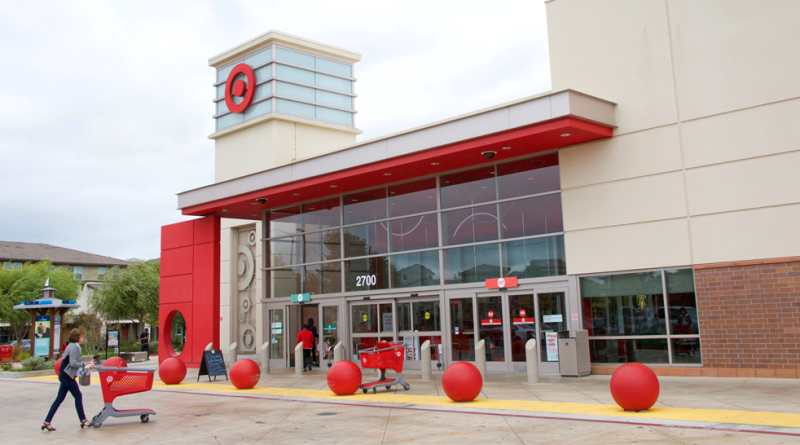
The retailer plans to invest about $5 billion in capital projects this year while adding about $1 billion in incremental operating investment. More than 30 new stores are scheduled to open, alongside more than 130 remodels, marking one of the most active periods of physical reinvestment in the company’s recent history.
The scale of spending signals a shift in priorities. Target is moving away from broad, catchall retail positioning toward a more deliberate model centered on presentation, owned brands and category strength. Beauty, home and store experience are no longer supporting elements. They are becoming primary drivers for both traffic and margin recovery.
Why Target is resetting its model after years of uneven demand
Target’s recent performance provides the backdrop for its 2026 plan. Net sales reached $106.6 billion in 2024, a slight decline from the previous year. Comparable sales rose 0.1%, reflecting a business that has stabilized but not accelerated.
The pressure is most visible in discretionary categories such as home and apparel, where demand has softened. In contrast, essential categories like food and beverage have remained more resilient. This divergence has exposed a structural issue. Target’s differentiation has historically relied on style-led discretionary spending, not just convenience or price.
The company’s response is to improve execution while redefining its value proposition. Store conditions, inventory levels and merchandising clarity have become central priorities. Management has emphasized cleaner stores, faster checkout and stronger in-stock positions as part of a broader operational reset.
This is less about reinvention and more about discipline. Target is returning to fundamentals that supported its earlier growth, but with a higher level of consistency and investment. The goal is to rebuild trust with shoppers who shifted spending elsewhere during periods of friction or inconsistency.
Beauty, home and owned brands are carrying more strategic weight
Among Target’s category bets, beauty stands out as a clear growth driver. The company is expanding its assortment with more premium and emerging brands while introducing a more service-oriented model through Target Beauty Studio. Plans to bring this concept to hundreds of stores suggest that beauty is being positioned as a destination rather than an add-on.
This shift reflects broader industry dynamics. Beauty has remained relatively resilient compared with other discretionary categories, offering both repeat purchase behavior and higher margins. For Target, it provides a way to increase basket size while reinforcing a perception of curated value.
Home is the second major lever. The relaunch of the Threshold brand and the introduction of shop-in-shop concepts in about 200 stores point to a renewed focus on design and seasonal relevance. Updating 75% of decorative accessories indicates a willingness to refresh assortment at scale, not just incrementally.
Owned brands remain central to this strategy. They account for about one-third of merchandise sales and typically deliver higher margins than national brands. By investing in owned brand identity and presentation, Target is attempting to strengthen both profitability and differentiation at the same time.
This combination of beauty, home and owned brands reflects a tighter merchandising strategy. The emphasis is on categories where Target can offer a distinct point of view, rather than competing purely on price or breadth.
Store upgrades are also a logistics and labor story
Target’s investment in physical stores extends beyond aesthetics. Stores already play a critical role in the company’s fulfillment model, handling more than 96% of total merchandise sales and the majority of digital order fulfillment.
Same-day services, including Drive Up and in-store pickup, continue to grow, supported by store-based operations. This model allows Target to use existing infrastructure for both sales and logistics, reducing the need for separate fulfillment centers.
Remodels and new store formats are designed to support this dual function. Improved layouts, better inventory visibility and dedicated fulfillment space can increase efficiency while also improving the customer experience.
Labor investment is another key component. Additional payroll and training are intended to improve execution on the floor, from merchandising to service. This reflects a recognition that store performance depends as much on people as it does on physical upgrades.
The result is a more integrated approach to retail operations. Stores are not just points of sale. They are fulfillment hubs, brand environments and service centers, all operating within a single footprint.
The real test is whether focus can beat convenience-led rivals
Target’s strategy acknowledges the strength of competitors that emphasize price and convenience. Rather than trying to match those advantages across every category, the company is narrowing its focus.
The decision to invest heavily in beauty, home and owned brands suggests a belief that differentiation still matters in physical retail. Customers may prioritize convenience for routine purchases, but they continue to seek inspiration and discovery in certain categories.
The risk is execution. A more focused strategy requires consistency across stores, supply chain and merchandising. Any gaps in execution could undermine the perceived value of the offering.
At the same time, the opportunity is clear. If Target can deliver a reliable and engaging in-store experience while maintaining competitive pricing in key areas, it may be able to reclaim some of the discretionary spending that has shifted elsewhere.
The broader implication is that big-box retail is evolving toward more defined identities. Scale remains important, but it is no longer sufficient on its own. Retailers are being pushed to define what they stand for, not just what they sell.
Sources:
Target